
Almost forty years after the Chernobyl nuclear catastrophe, an unforeseen community is still residing in the exclusion zone: the descendants of the pets abandoned in 1986 are represented by hundreds of free-roaming dogs. Their mere existence is quite extraordinary, but the most interesting factor for the scientists has been their genetic makeup. Dog studies show that their genes are getting apart from each other according to their location in the zone. However, the headlines about “radiation mutations” were really misleading and the truth is much more complex. Scientists are in the process of discerning if it is radiation, isolation, or natural selection working together or individually that are influencing these creatures and what their toughness will tell us about living in extreme conditions.
Where These Dogs Came From

The majority of the dogs that are living near Chernobyl are the offspring of pets that were left behind during the hasty evacuation in 1986. Some dogs were lucky enough to survive the killing but ate food given by workers. The number of free-roaming dogs in the zone is around 800-900 now.
Two Main Populations
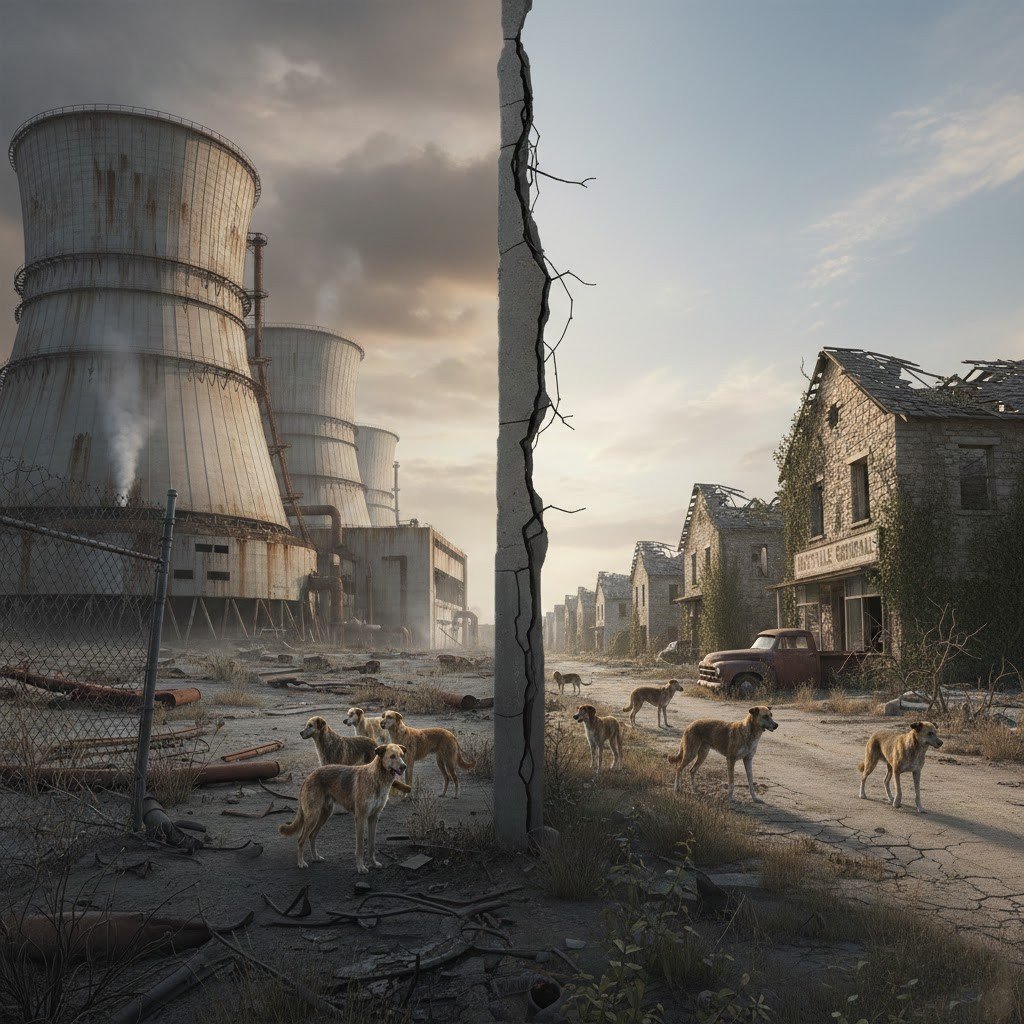
Researchers have found two distinct groups: one around the power plant itself, which was the higher radiation zone, and another group in Chernobyl City, which is about 10 miles away. They’re geographically close but don’t mix much.
Genetic Differences Stand Out

Blood samples from over 300 dogs show the power plant group has unique DNA patterns compared to the city dogs and others farther away. It’s like they’ve become somewhat isolated over generations.
No Clear Radiation Mutations Yet
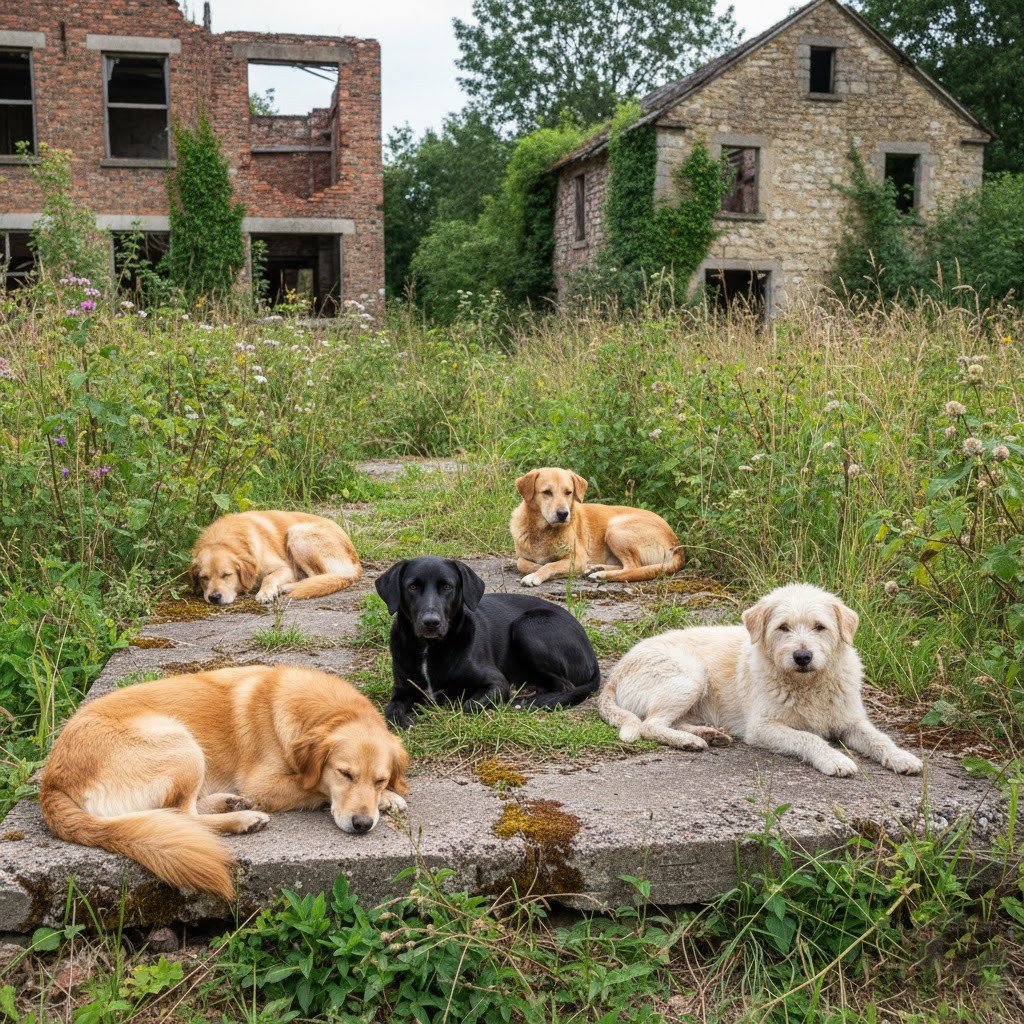
The latest research of 2025 conducted a thorough investigation of chromosomes and nucleotides and finally concluded no powerful mutations caused by radiation. Possible reasons for the variations include inbreeding or other factors rather than direct radioactive radiation at all.
Possible Natural Selection at Work
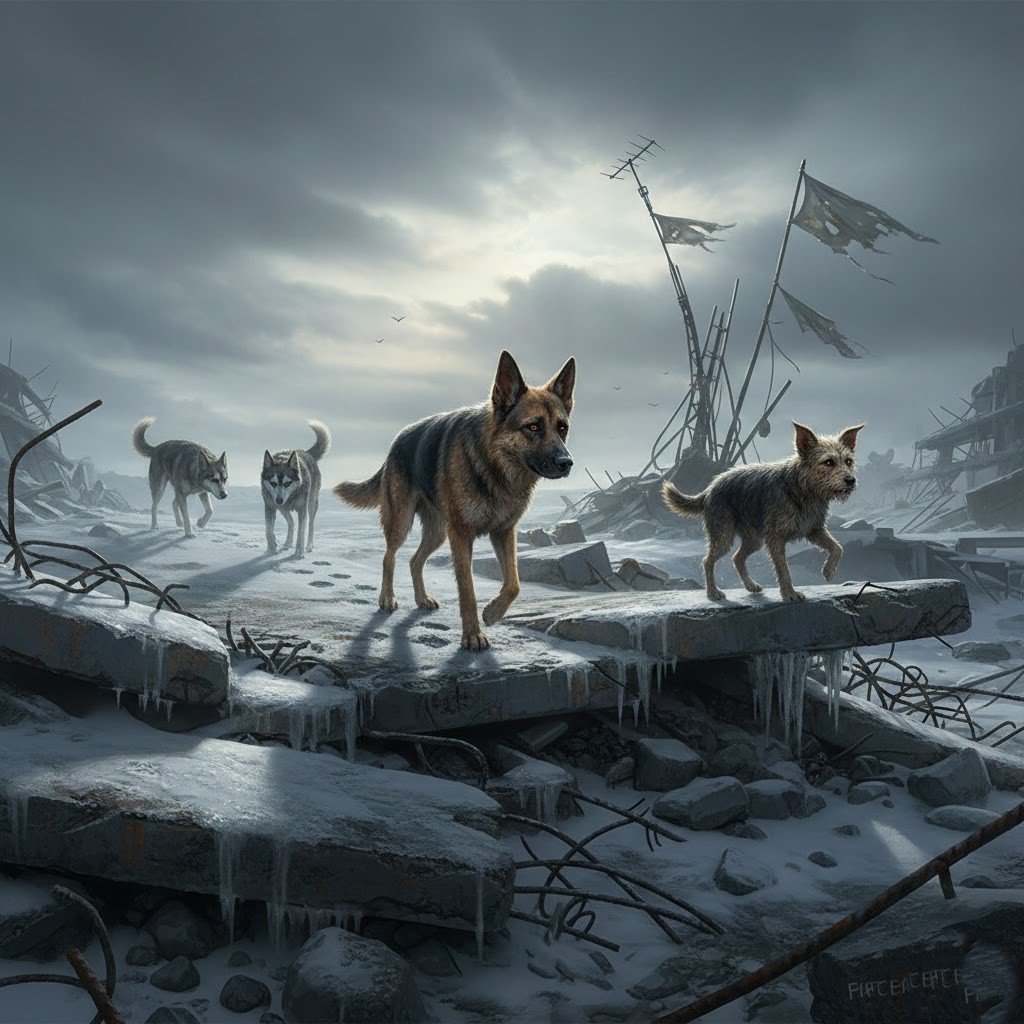
Some genes linked to DNA repair and cell health differ between groups. It could mean tougher dogs survived and passed on traits, adapting to the harsh environment without wild mutations.
They’re Thriving Despite Everything

These dogs face cold winters, limited food, and lingering radiation, but packs form families and scavenge well. Workers and charities help with vet care, vaccinations, and even adoptions.
Cute Puppies Draw Attention

The zone has lots of puppies each year that are super adorable, but they highlight how the population keeps growing. Some get rescued and sent to new homes abroad.
No “Blue Dogs” Mutation
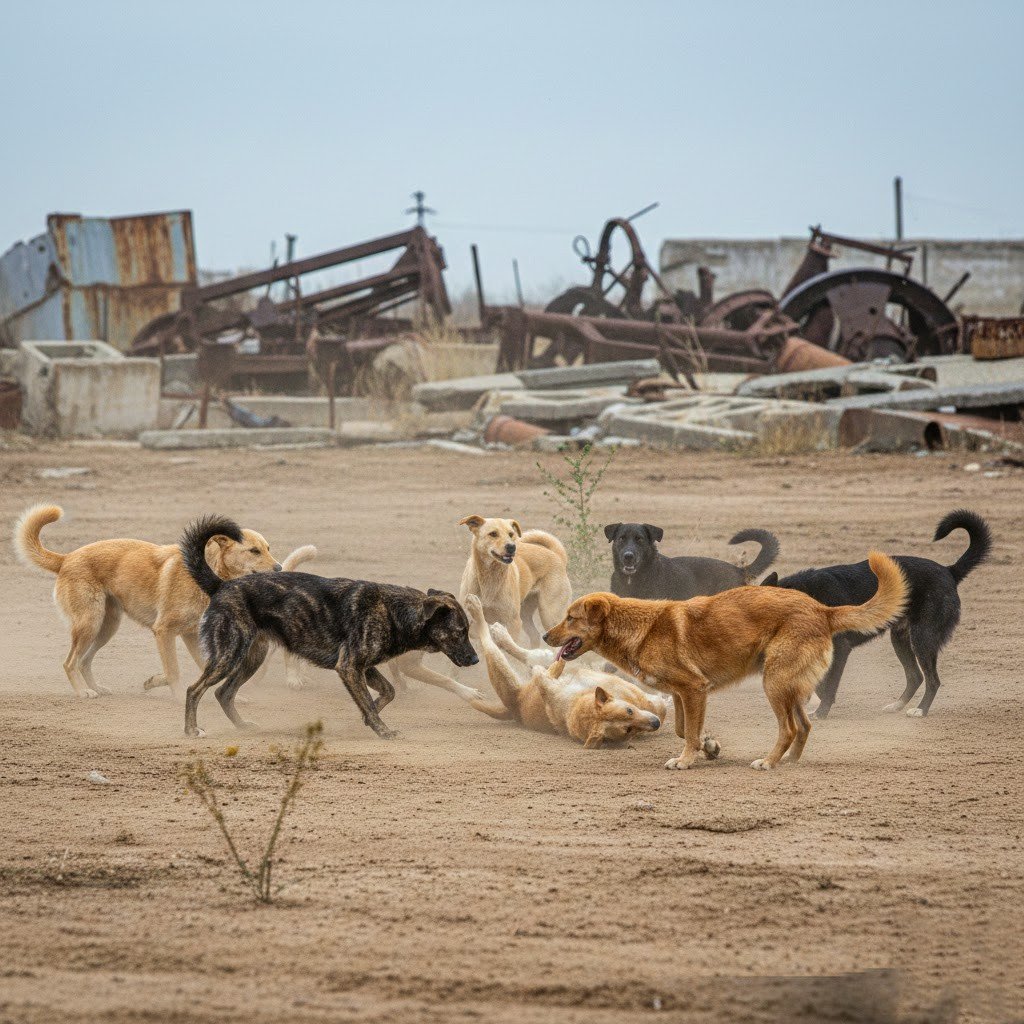
A while back, some dogs looked blue-tinted, sparking mutation rumors. Turns out, they were just rolling in chemicals from porta-potties; this has nothing to do with the genetics.
Why Scientists Care So Much
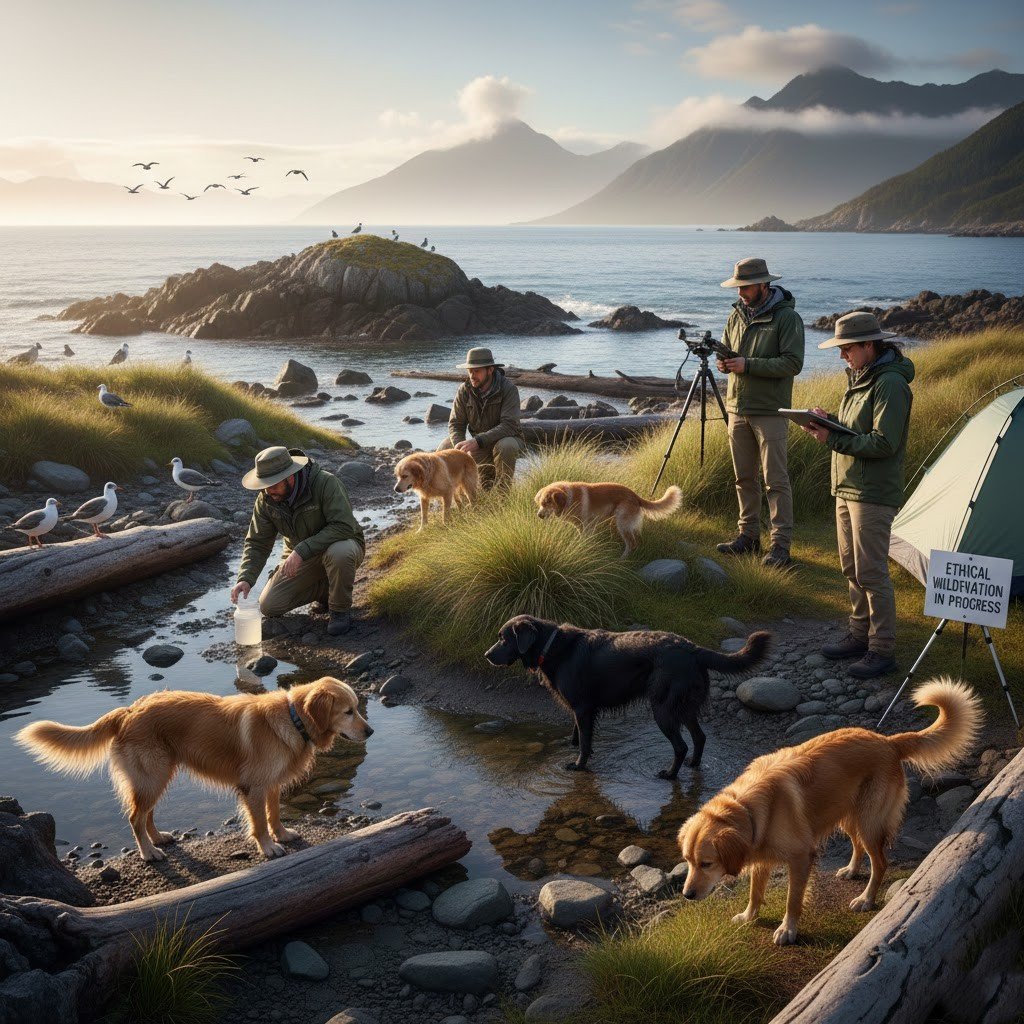
These dogs are like a natural lab for studying long-term low-dose radiation effects on big mammals. Findings could help understand human health in contaminated areas too.
Research Keeps Going

Teams are still collecting samples and analyzing DNA. The big question remains: how much is radiation shaping them versus just living isolated in a wild, abandoned place?
