The dog lived with people for thousands of years, but recent scientific discoveries suggest that its brain is still developing in unexpected directions. According to recent studies, some of the canine brain regions are larger or more densely organized than would be anticipated based on domestication, environment, and human interaction, creating new questions about the way in which domestication, environment, and human interaction still influence the dogs today.
An unexpected scientific finding
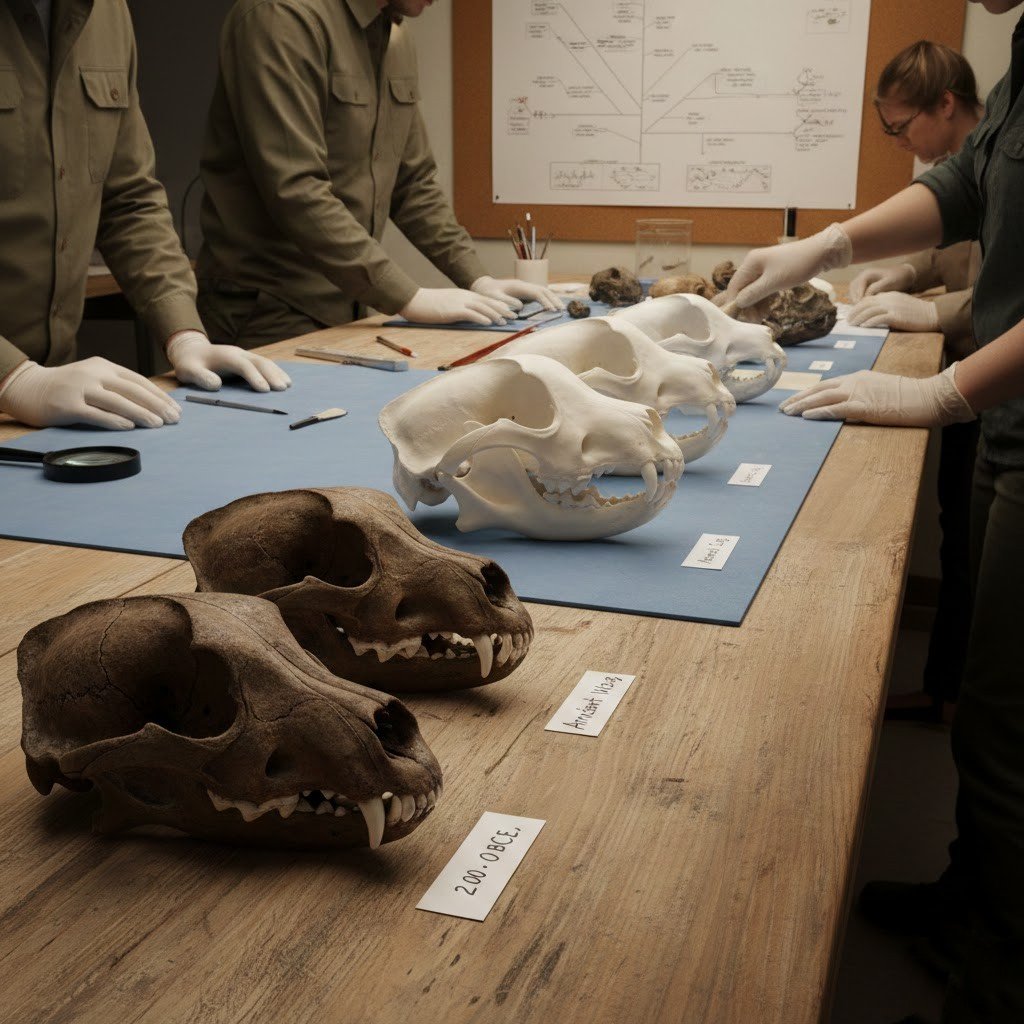
Archeologists examining dog skulls and the brain structure have observed quantifiable changes in the structures of modern dogs as compared to their predecessors. These results indicate that the structure of the brain has not been fixed and can also be dynamic.
The expansion of the brain in the context of science
Brain expansion does not imply that the overall size of the brain of all dogs is bigger, but that particular areas experience an increase or decrease in size or the number of neurons. These areas are in most cases associated with sensory processing, learning, and social behaviour.
The role of domestication
Domestication over a long period has exposed dogs to complex human conditions, where they have to interpret sounds, gestures, and routines in an advanced manner. Scientists conjecture that this continued mental effort can affect the development of some brain parts across generations.
Skull and brain scans provide evidence
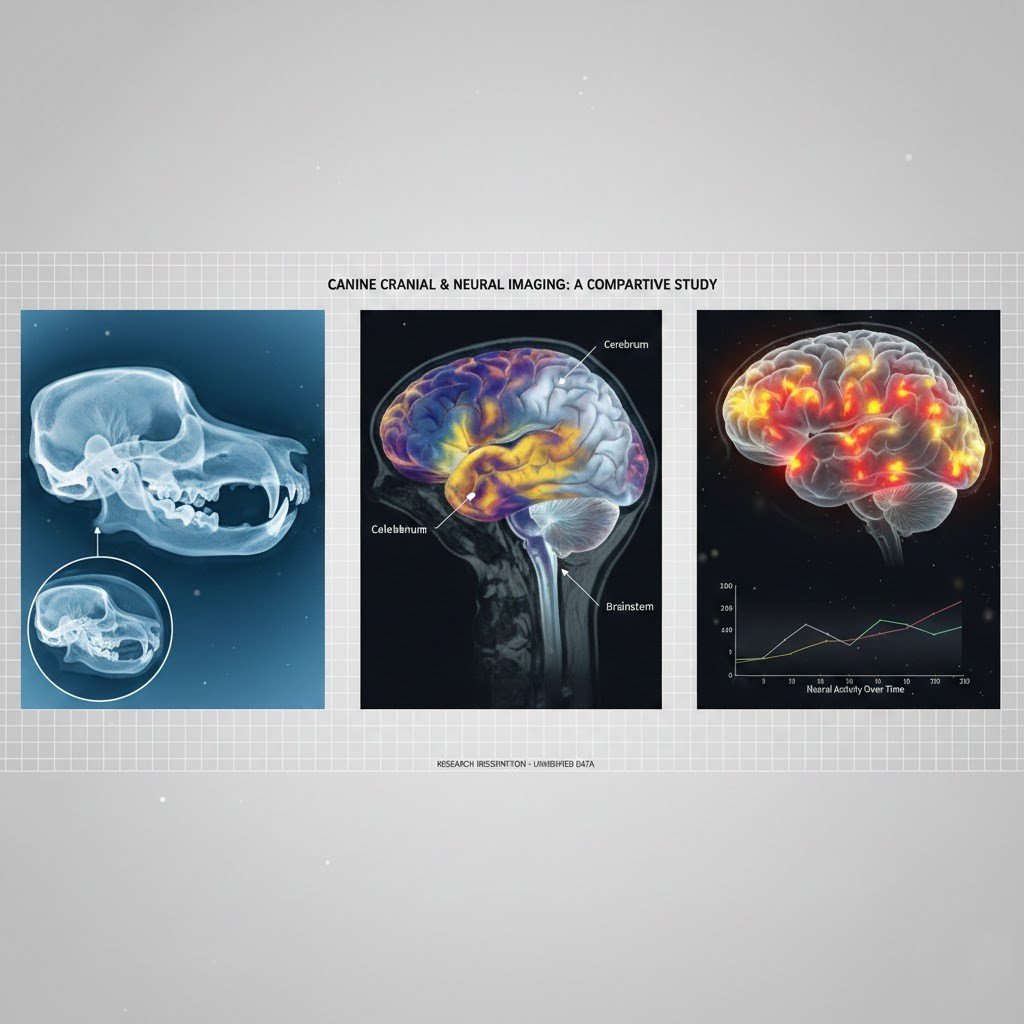
It is now possible to compare brain cavities and neural organization using modern imaging methods and skull measurements with precision than was previously possible. These analogies suggest some slight yet steady changes that evoke the concept of structural change.
The impact of human communication
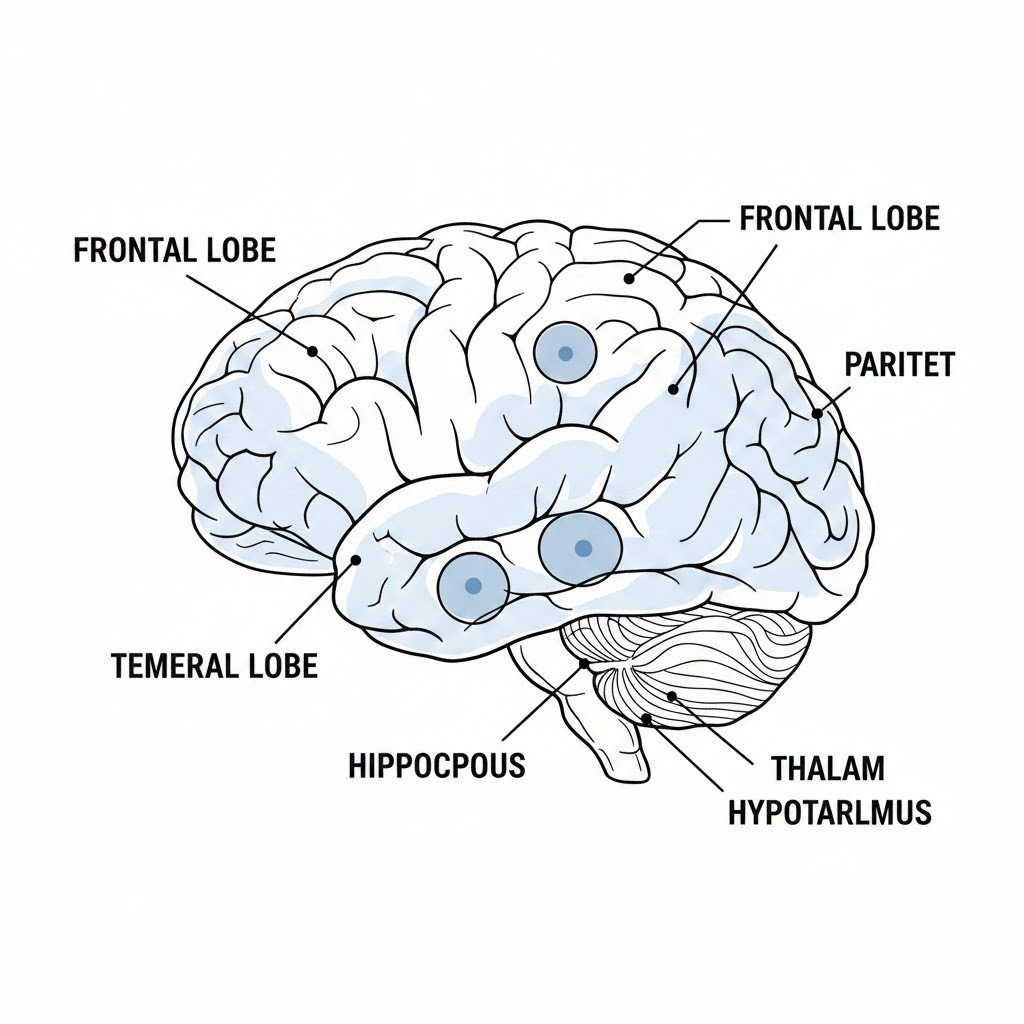
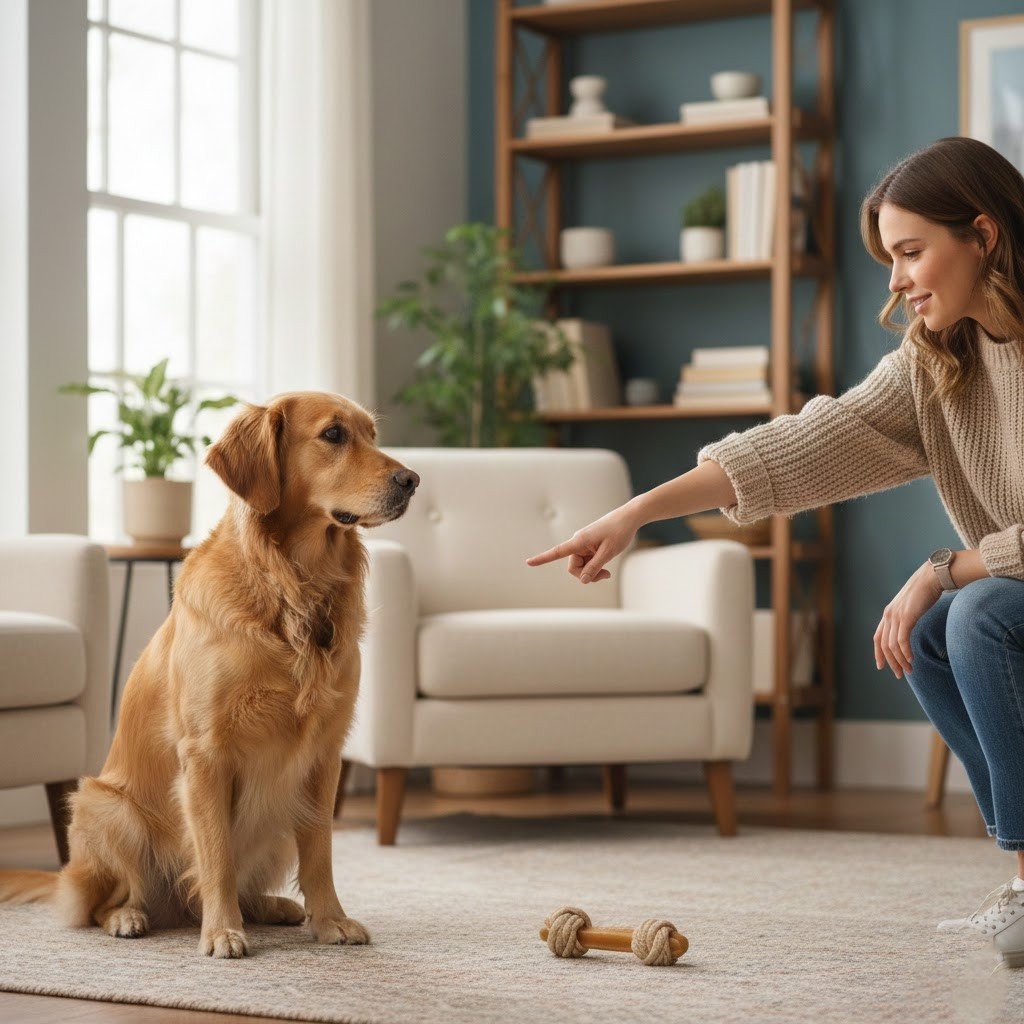
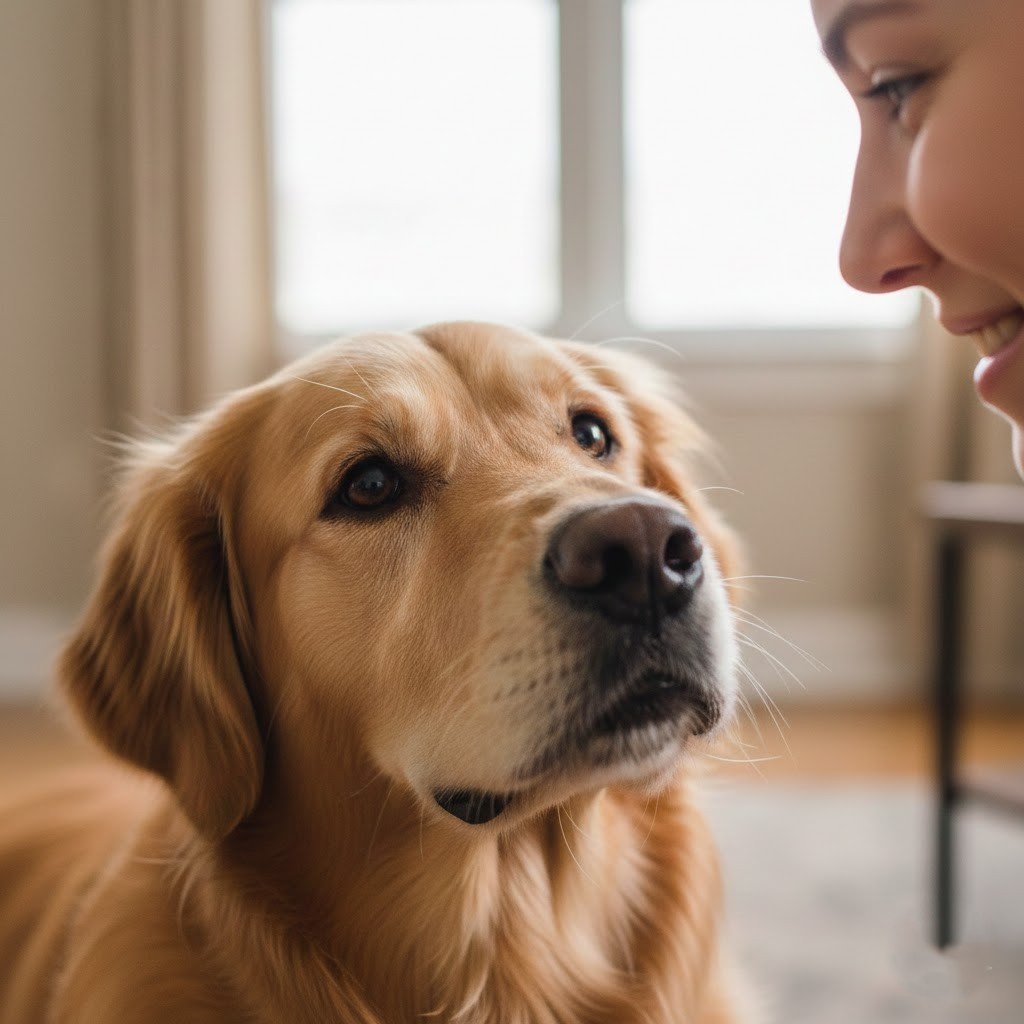
Dogs are the only animals that are effective in interpreting human gestures, such as facial expressions and body pointing. According to scientists, this extraordinary social sensitivity can be related to the alterations in the brain parts that process social cognition.
The patterns are not universal with all breeds

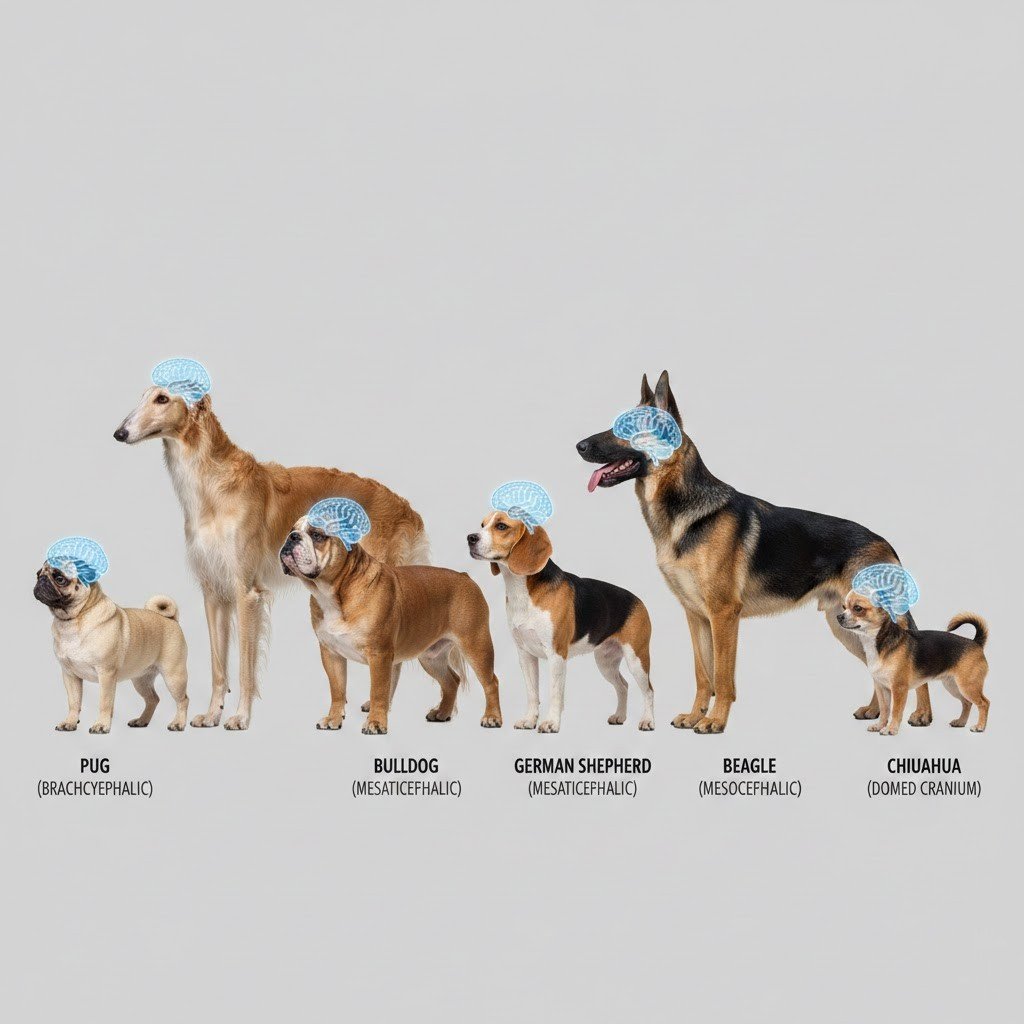
Researchers warn that brain variations cannot be a universal case in all dogs because breed size, skull structure and genetic composition are significant factors. A few of these differences could be the result of selective breeding as opposed to a universal rule.
What this does not mean
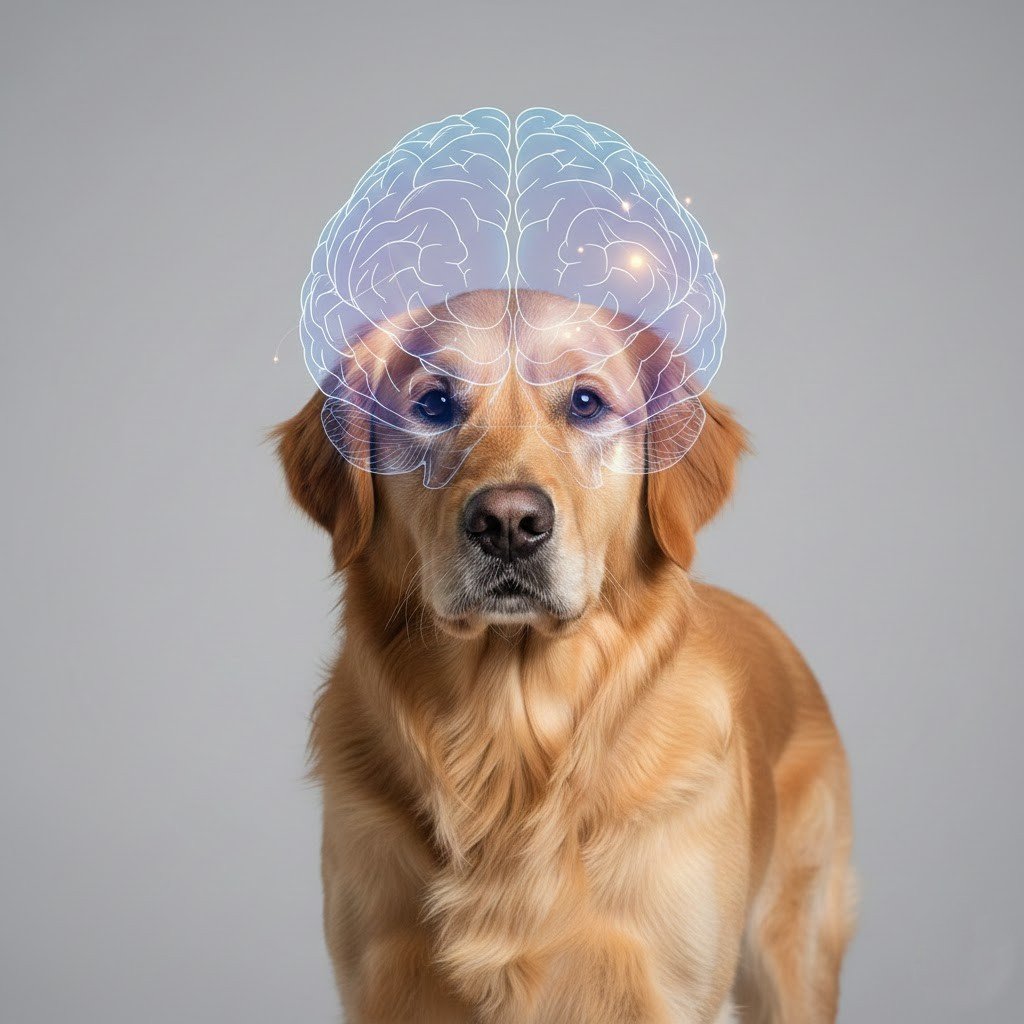
Brain expansion does not mean increased intelligence in a simplistic and homogenous manner, as stressed by scientists. Intelligence is not straightforward and evolving the brain structure is a sign of adapting and not of being superior.
The reason why researchers are skeptical

Existing research has small sample sizes and is based on certain measurement instruments, and therefore, the conclusions are cautiously made. There is consensus among scientists that further long-term and comparative studies are required to establish the extent of such changes.
This is what it implies in future studies
The results offer new insights into the long-term effects of strong bonds with humans on the biology of animals. Knowledge of these changes in the brain could also be used to enhance training programs, animal welfare and dog jobs.
